Date Ideas
Valentine’s Day Alternatives for Couples Who Want a Shared Activity
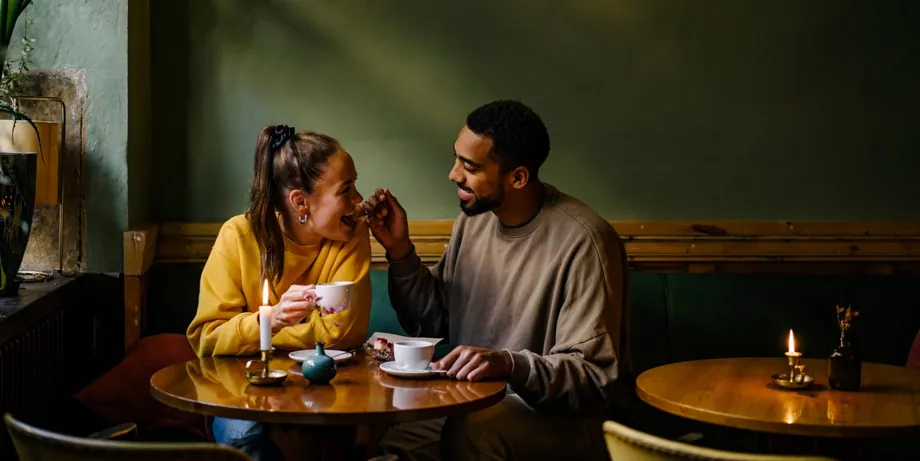
Plan a meal from scratch, try a puzzle outing, or make time for a shared walk based on how you both want to spend the day.
Plan a meal from scratch, try a puzzle outing, or make time for a shared walk based on how you both want to spend the day.
Ask whether a partner wants intimate messages, agree on the kinds of media that feel comfortable, and follow their lead when they pause.
A guide to choosing between bullet, wand and other vibrator formats by size, controls and water rating.
Agree in advance on the kind of costume play you both want, what is off limits, and how you will ask for a pause.
Make room for people to discuss adult sexuality with respect for consent, privacy, and individual preferences.
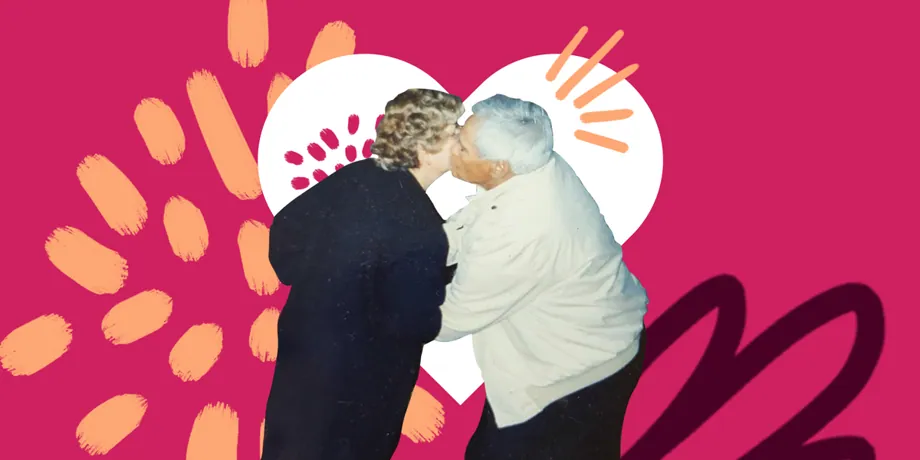
A kiss can be used in greeting, reassurance, or romance. Shared context and a quick check-in matter when interpreting it.
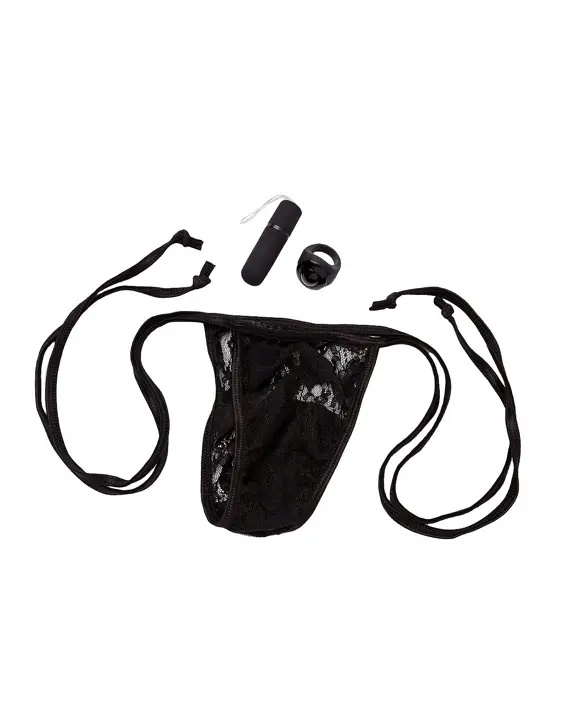
Match the gift to someone’s tastes in fabric, color, and coverage, and leave the final choice of fit in their hands.
Build a low-pressure evening with a favorite activity, a meal you want to try, and time to reach out to someone you appreciate.
Choose a clear profile photo and describe interests you can actually talk about when someone responds.
Choose an activity that builds on the first date, with time to talk and enough flexibility for both people to feel comfortable.
Family interviews from Colombia, Peru, and Mexico show how people learn about care, companionship, and disagreement by observing older relatives.
Use everyday examples such as hugs or handholding to discuss which kinds of affectionate contact each person welcomes.
Clarify what you need, offer space for a response, and decide which choices belong to you when a lasting disagreement remains.
First-person accounts discuss assumptions about appearance and identity, drawing support from friends, and talking about race with a partner.
Identify what kind of connection you miss, discuss what your partner can share, and give attention to other sources of support too.
Use occasional calls, ordinary updates, and interest in each other’s new routines to keep a friendship active across distance.
Sketch a daily routine with time apart, clearer shared-space expectations, and moments you choose to spend together.
Use spoken or written appreciation that names what you noticed and give a partner room to say what feels meaningful.
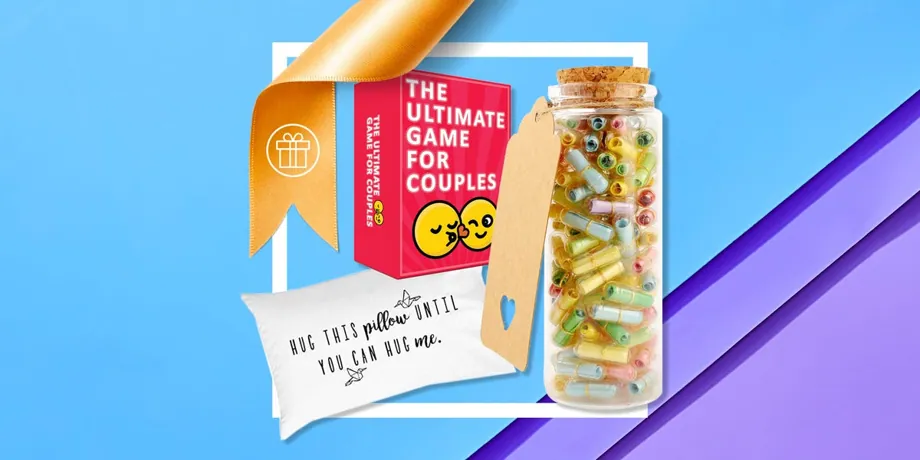
Compare connection-focused gifts such as a journal, a cooking kit, a pair of touch lamps, or letters for different occasions.
Decide which events you want to share, what information can be passed along, and how to revisit plans when schedules change.
Consider your own reasons, talk about expectations, and give both people room to decide at a pace that feels comfortable.
Plan an autumn afternoon at a farmers market, a local game, or a bookstore and leave room for a weather change.
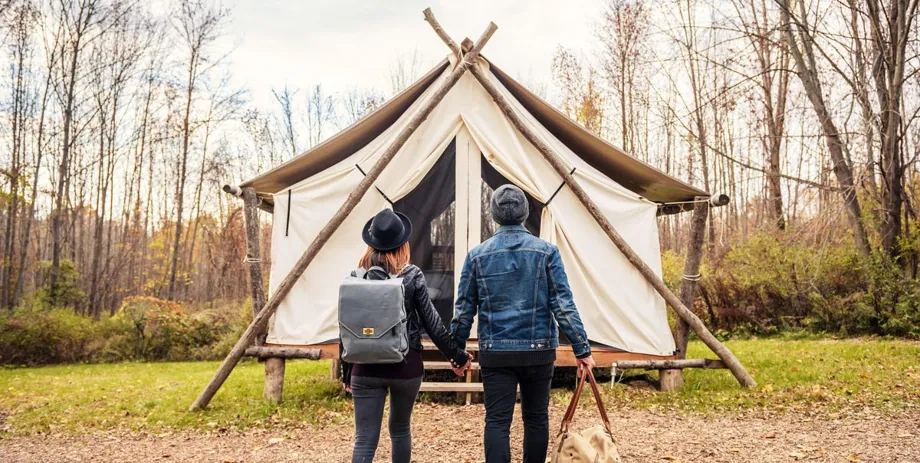
Choose between a guided outdoor trip, a scheduled wellness stay, and a low-key getaway with time to explore on your own.
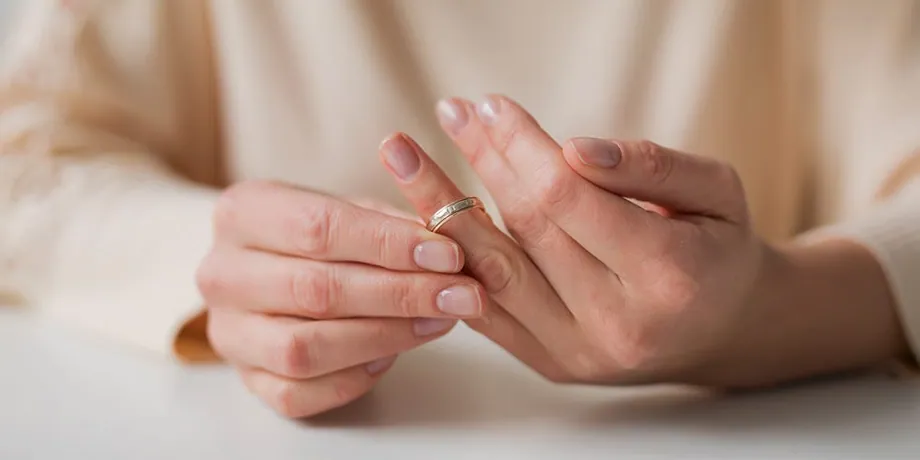
First-person reflections on a marriage ending point to decisions about communication, friendship, and the pace of major life changes.